Be yourself; Everyone else is already taken.
— Oscar Wilde.
This is the first post on my new blog. I’m just getting this new blog going, so stay tuned for more. Subscribe below to get notified when I post new updates.
Be yourself; Everyone else is already taken.
— Oscar Wilde.
This is the first post on my new blog. I’m just getting this new blog going, so stay tuned for more. Subscribe below to get notified when I post new updates.
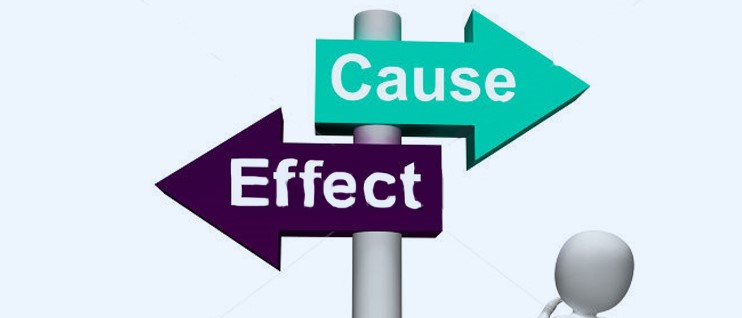
Every defiance has effect, and every effect has a cause”. I start with that fraise because everything we do has a human, or we don’t do, has effect in our lives. If we don’t eat, our body don’t work, if we don’t drink water, our body is going to get sick, if we don’t rest our body is going to shut down from itself. The cause is going to come always but has an advice for every people, if we do the right thing, our body is going to function the right way. In our profession we as chiropractors have principles (33 principles). The principles help us understand our profession, for the same reason the principles help us explain more easily how chiropractic works. In this post I will be talking specifically about the principle # 17 “Cause and Effect” and how we can relate this with biochemistry.
What is Biochemistry? Biochemistry is a branch of science that studies the chemical composition of living beings, especially proteins, carbohydrates, lipids and nucleic acids. According to what has been learned in class, a deficiency or excess of any of these components can cause the development of a disease. Which is well explained with principle # 17 “Cause and Effect”. Both the lack and the excess of these components are the cause for the development of a disease (Effect).
But “Cause and effect” does not have to be seen only with negative results. This is that absolutely nothing can happen without a cause, for good or for bad. So, continuing with the example of the components, the balance of these following a balanced diet (cause) will have its effect on the health of the individual. And something so small as a micro molecule can have big consequences to the everyday life of each person. Eating healthy can help the body work at the level that is supposed to.
Anacristina Forestier, DC2B
This is an example post, originally published as part of Blogging University. Enroll in one of our ten programs, and start your blog right.
You’re going to publish a post today. Don’t worry about how your blog looks. Don’t worry if you haven’t given it a name yet, or you’re feeling overwhelmed. Just click the “New Post” button, and tell us why you’re here.
Why do this?
The post can be short or long, a personal intro to your life or a bloggy mission statement, a manifesto for the future or a simple outline of your the types of things you hope to publish.
To help you get started, here are a few questions:
You’re not locked into any of this; one of the wonderful things about blogs is how they constantly evolve as we learn, grow, and interact with one another — but it’s good to know where and why you started, and articulating your goals may just give you a few other post ideas.
Can’t think how to get started? Just write the first thing that pops into your head. Anne Lamott, author of a book on writing we love, says that you need to give yourself permission to write a “crappy first draft”. Anne makes a great point — just start writing, and worry about editing it later.
When you’re ready to publish, give your post three to five tags that describe your blog’s focus — writing, photography, fiction, parenting, food, cars, movies, sports, whatever. These tags will help others who care about your topics find you in the Reader. Make sure one of the tags is “zerotohero,” so other new bloggers can find you, too.

 #DC2B
#DC2B